Home › Restaurants, pubs and small hotels › Running the venue
Running the venue
Hot takeaway food and VAT: why a takeaway toastie is 20% and a cold sandwich is not, worked for a cafe
HMRC tests decide whether takeaway food is hot for VAT. On a £5.50 toastie: £0.92 VAT a sale, £110 a week on 120 sales; a cold sandwich carries £0.
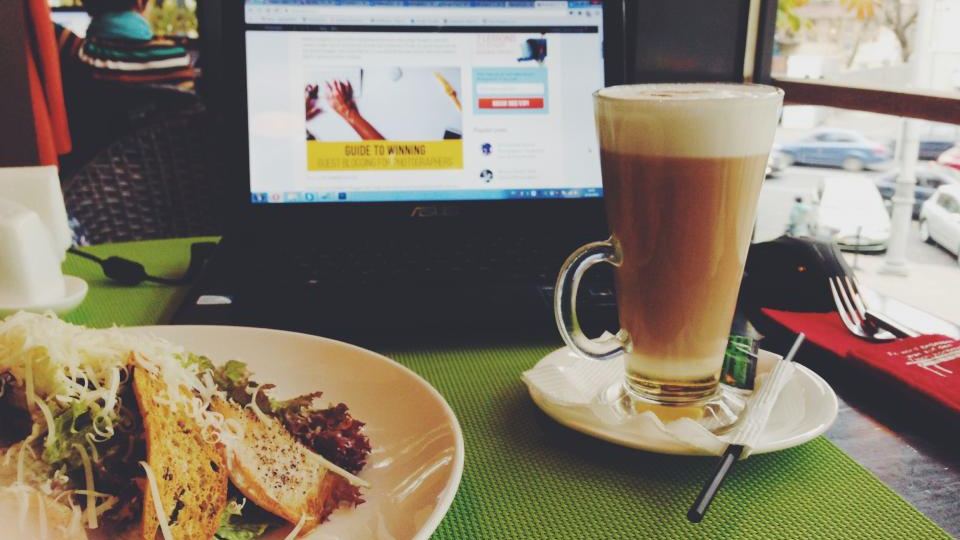
A cafe sells a cold sandwich to take away and a toastie to take away. The first is often zero-rated; the second is not. The difference surprises owners, and the sum for getting it wrong runs into thousands a year.
What GOV.UK says
HMRC's VAT Food manual, page VFOOD4220, covers hot and cold takeaway food and records the rules in force since 1 October 2012. There is a precondition: the food, or any part of it, must be hot at the time it is provided to the customer. Food that meets that goes on to five tests, and if at least one is met it is hot takeaway food and is standard-rated. The tests, as the page words them:
- It has been heated for the purposes of enabling it to be consumed hot.
- It has been heated to order. The page's examples include toasted bread, sandwiches, paninis, teacakes, garlic bread, pizzas, hamburgers and kebabs.
- It has been kept hot after being heated. Examples: pastries in heated cabinets, hot dogs kept in water, doner kebab on a spit, cooked chickens in a heated cabinet.
- It is provided in packaging that retains heat, such as foil-lined bags or specially designed pizza boxes. The page says ordinary paper bags do not count.
- It is advertised or marketed in a way that indicates it is supplied hot. The page says marketing something as "freshly baked" does not count.
Page VFOOD4320 says toasted sandwiches and similar products are treated as hot food. It names toasted sandwiches, heated baguettes, grilled paninis and toasted ciabattas, and describes the Subway (Sub One Ltd) case, where the tribunal found the products were above ambient air temperature and the business intended to supply them hot. The Upper Tribunal agreed, and the Court of Appeal later dismissed Sub One's arguments.
The sum
At the 20% standard rate, VAT inside a VAT-inclusive price is the price divided by 6.
| Item, to take away | Test that applies | Treatment | VAT in the price |
|---|---|---|---|
| Toastie, £5.50 | Heated to order (test 2) | Standard-rated | £5.50 / 6 = £0.92 |
| Latte, £3.20 | Heated for consumption hot (test 1) | Standard-rated | £3.20 / 6 = £0.53 |
| Sausage roll from a heated cabinet, £2.60 | Kept hot after heating (test 3) | Standard-rated | £2.60 / 6 = £0.43 |
| Cold sandwich, £4.50, made and chilled | None of the five, not hot when handed over | Not hot takeaway food | £0 |
This is our arithmetic from the 20% rate and the examples on the HMRC pages. The cold sandwich row assumes it is not standard-rated for some other reason, which I have not checked.
The weekly cost of a wrong classification is what matters. A cafe that sells 120 takeaway toasties a week at £5.50 takes £660 and owes £660 / 6 = £110 of VAT a week. Over 52 weeks that is £5,720. If the toastie is treated as zero-rated, that £5,720 is unpaid VAT at the next inspection, before any interest or penalty, and because it was never charged separately it comes out of the margin. Check your own prices with the menu GP calculator.
Where it goes wrong in practice
- Treating the item as cold because it has cooled. The tests look at the supplier's purpose in heating and at how it is sold, so a toastie eaten ten minutes later is still the hot item. The page I read on this point, VFOOD4320, describes the Subway reasoning in those terms.
- Mixing hot and cold in one bag. The precondition says "any part of it" being hot; I have not read how HMRC treats a meal deal with one hot and one cold item, so take that to your adviser.
- Eat-in versus takeaway. The pages I read are about takeaway only. Food made on the premises and sold to take away still falls under the allergen rules: see Natasha's Law for restaurants and pubs.
What I did not read
I did not read VAT Notice 709/1 itself, only the two manual pages above. I did not read the guidance on eat-in food, or on food sold from vehicles or at events. I have not checked how a combined offer is split, and I read nothing on temperature disputes beyond the Subway case as the manual summarises it.
Overlyft  builds AI staff who join your cafe or pub team and go through your takeaway menu item by item, set each against the five tests and the page wording above, and flag any item that looks wrongly rated for the person who does your VAT to confirm.
This is general information, not legal or financial advice. Check the GOV.UK pages and your own VAT position with a qualified adviser.
Where this comes from: GOV.UK, HMRC internal manual, VAT Food, VFOOD4220 "Hot and cold take-away food: is the supply one of hot take-away food and drink for VAT purposes?" (precondition that the food or any part of it is hot when provided, plus five tests; changes effective from 1 October 2012) and VFOOD4320 "toasted sandwiches and similar products" (toasted sandwiches, heated baguettes, grilled paninis and toasted ciabattas treated as hot; Sub One Ltd, t/a Subway, tribunal, Upper Tribunal and Court of Appeal outcomes). Both read 19 October 2026.
AEO Lookup editorial team
We write practical guides for people who run small UK firms, and we check every fact against its source on the date shown. Read how we review, or tell us if something has changed.