Home › Online shops › Running the shop
Running the shop
How quickly must my online shop deliver an order? The 30-day rule, the Christmas dates it ends on, and what a late order lets the customer do
UK shops must deliver within 30 days unless agreed otherwise. The 30-day end date for five peak order days, and what a customer can do if you miss it.
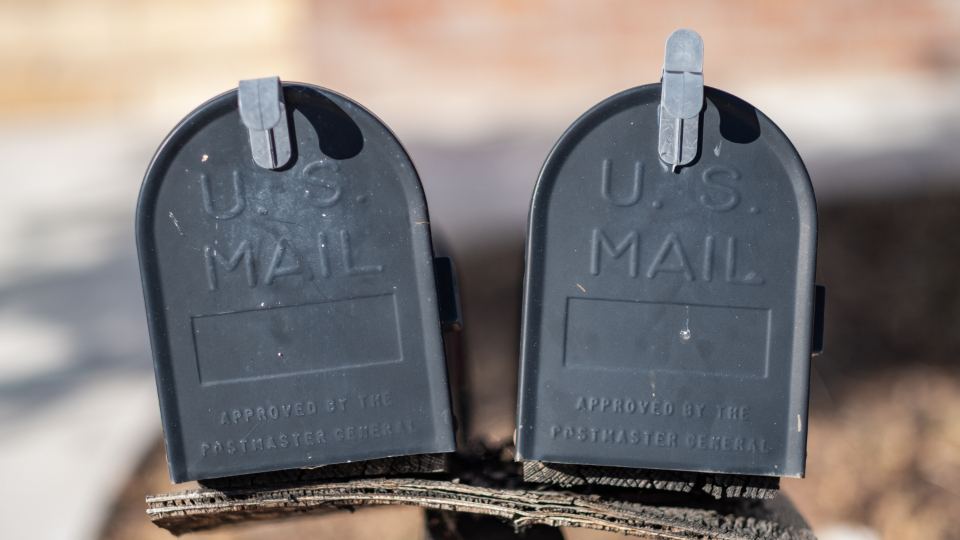
A customer orders on Black Friday and nothing has arrived by Christmas. How long can you take before you are in breach? The short answer is 30 days from the order, unless you agreed something else. The longer answer has some edges worth reading before the busy weeks.
This guide covers sales of goods to consumers by a UK online shop. It does not cover services, digital content, or sales to other businesses, and we have not checked special rules for made-to-order items.
What the rule says
GOV.UK's guidance for online sellers says you must "deliver the goods within 30 days, unless you've agreed otherwise with the customer." The page did not say what the customer can do if you are late, so we went to the Act.
Section 28 of the Consumer Rights Act 2015 sets out the default. As we read it:
- Subsection (3): delivery must be "without undue delay, and in any event, not more than 30 days after the day on which the contract is entered into", unless the parties have agreed a time.
- So 30 days is a ceiling, not a target. "Without undue delay" comes first.
Does your own promise change it?
Yes, in both directions. If your product page says "dispatched in 2 working days" or "made to order, 6 weeks", that is the agreed time, and the 30-day default applies only where nothing else was agreed. We read the section as letting the agreed date replace the default. We did not check how a vague promise such as "usually 3 to 5 days" would be treated, so the safest course is to keep such wording honest.
What the customer can do if you are late
Section 28 gives two routes to treat the contract as at an end:
- At once, where you refuse to deliver, where delivery on time was essential (for example a gift for a stated date), or where the customer told you before the contract was made that the time was essential (subsection 6).
- After a second deadline. In other cases the customer can give you a period that is appropriate in the circumstances to deliver, and if the goods are not there by then, treat the contract as ended (subsections 7 and 8).
In either case subsection (9) says you must "without undue delay reimburse all payments made under the contract". We did not find a fixed number of days for that refund in subsections (4) to (10), and we did not read the remaining provisions on how the money is returned, so we cannot say more on the payment method.
The Christmas dates
We counted 30 days forward from the order date, treating the order day as day 0. This is our working, not a quoted rule.
| Order placed | Plus 30 days | Weekday | Note |
|---|---|---|---|
| Fri 20 Nov 2026 | 20 Dec 2026 | Sunday | last working day before is Fri 18 Dec |
| Fri 27 Nov 2026 (Black Friday) | 27 Dec 2026 | Sunday | falls in the Christmas break |
| Mon 30 Nov 2026 (Cyber Monday) | 30 Dec 2026 | Wednesday | |
| Thu 10 Dec 2026 | 9 Jan 2027 | Saturday | |
| Sun 20 Dec 2026 | 19 Jan 2027 | Tuesday |
Two points follow. First, an order on Black Friday has a legal deadline that lands in the holiday week, when carriers are slowest, so treat the practical deadline as well before it. Second, if you promise 7 days, the arithmetic is 30 - 7 = 23 days of reserve before the default would be missed. That reserve does not help you if your own stated date is the earlier one. Our Black Friday and Christmas returns dates guide works out the separate 14-day return windows for the same orders.
A check to run this week
- Read your delivery wording. Product pages, checkout and confirmation email should all say the same thing. Compare it with the 30 days.
- Sort open orders by age. Anything past your own stated date, or approaching 30 days, needs a message to the customer now. Our where is my order reply template has the wording.
- Know who pays when the carrier loses it. The customer's contract is with you. Our guide to lost parcel claims shows the carrier side and the deadlines.
- Refund promptly where the customer ends the order. Say so in your policy; our returns policy template is a start.
What we could not confirm
- How a vague promise such as "usually 3 to 5 days" is treated against the 30-day default.
- Whether a stated date can be later than 30 days in every case without other consumer rules biting.
- Any fixed number of days for the refund after the contract ends.
- Special rules for made-to-order, personalised or perishable goods.
- Who bears the risk of loss in transit; we did not read section 29.
Overlyft can set up an AI workflow that lists your open orders by days since purchase against your stated dispatch date and the 30-day default, and drafts the late-order message for each one for you to check before it is sent.
This is general information, not legal advice.
Where this comes from: Consumer Rights Act 2015, section 28 (Delivery of goods), legislation.gov.uk; GOV.UK, Online and distance selling for businesses; both read 6 October 2026. The calendar counts are our own calculation, and the example shop's 7-day promise is our own illustration.
AEO Lookup editorial team
We write practical guides for people who run small UK firms, and we check every fact against its source on the date shown. Read how we review, or tell us if something has changed.